By Anil · Reviewed and updated July 22, 2026
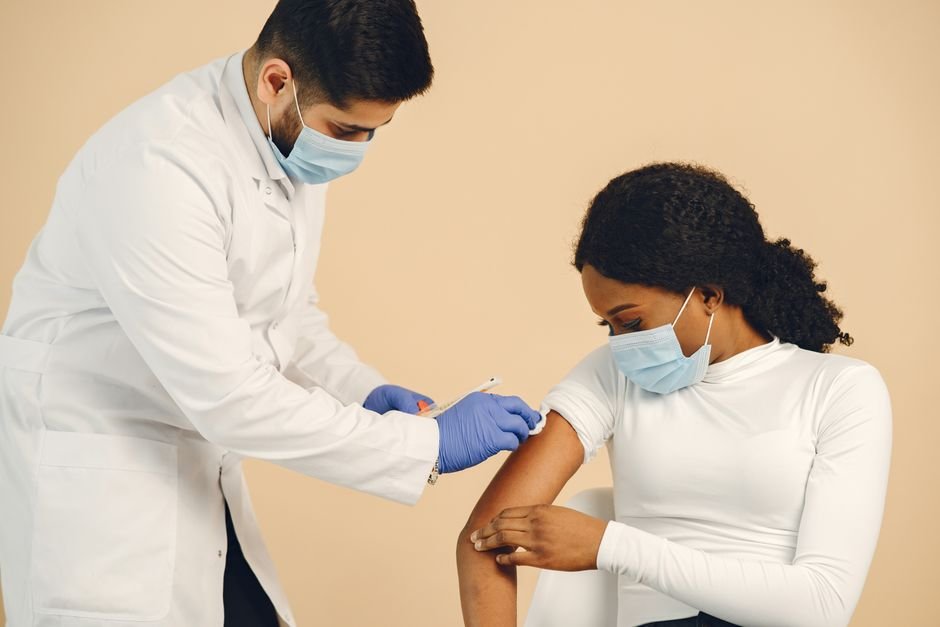
Students comparing the top universities in USA for public health are entering a field whose importance has never been clearer, from pandemic preparedness and vaccine logistics to chronic disease prevention and health equity. Public health sits at the intersection of medicine, statistics, policy, and community work, and the best schools train graduates who go on to lead health departments, global agencies, hospital systems, and research institutes. Degrees range from the undergraduate B.S. or B.A. in public health to the flagship Master of Public Health (MPH) and research doctorates in epidemiology, biostatistics, and health policy. This ranked guide covers ten institutions that dominate the field in 2026, then walks through how to choose the right program for your goals, budget, and preferred career path.
1. Johns Hopkins University
The Johns Hopkins Bloomberg School of Public Health is the oldest and largest independent school of public health in the world, founded in 1916, and it consistently tops the field’s rankings. Its strengths span epidemiology, biostatistics, international health, and health policy, and its faculty were central to global COVID-19 tracking and response. Students train alongside the Johns Hopkins Hospital and a massive research enterprise, and the school’s alumni network reaches into virtually every health ministry and global health agency on earth.
2. Harvard University
The Harvard T.H. Chan School of Public Health pairs world-famous departments of epidemiology, nutrition, and environmental health with the resources of Harvard’s medical campus in Boston. Its research shapes global guidance on diet, air quality, and health systems. Graduate students benefit from cross-registration across Harvard’s schools, and the surrounding Longwood Medical Area offers unmatched access to teaching hospitals, research institutes, and biotech employers.
3. University of North Carolina at Chapel Hill
The UNC Gillings School of Global Public Health is regularly ranked the best public-university program in the field. It excels in epidemiology, health behavior, and water and environmental health, and it works closely with the nearby Research Triangle’s health research organizations and the CDC-linked RTI International. For in-state students especially, Gillings offers elite public health training at one of the lowest costs among top-five programs.
4. Emory University
Emory’s Rollins School of Public Health sits literally across the street from the U.S. Centers for Disease Control and Prevention in Atlanta, and the relationship defines the school: CDC scientists teach as adjunct faculty, and students take internships and research posts inside the agency. Rollins is particularly strong in global health, infectious disease epidemiology, and behavioral sciences, making it a favorite for students targeting careers in federal public health service.

5. Columbia University
The Columbia Mailman School of Public Health in New York City is one of the field’s most research-intensive schools, with signature strengths in environmental health sciences, sociomedical sciences, and aging research. Its location gives students access to city and state health departments, the United Nations system, and major hospital networks. Mailman’s Core MPH curriculum is known for integrating disciplines rather than teaching them in silos, which mirrors how real public health crises are managed.
6. University of Michigan
The Michigan School of Public Health in Ann Arbor combines top-ten departments in epidemiology, biostatistics, and health management and policy with a large, collaborative research culture. It is a leader in health equity scholarship and hosts influential population-health surveys. As a public flagship, Michigan offers strong funding opportunities for graduate students and an enormous alumni base across hospital administration, insurance, and government.
7. University of Washington
UW’s School of Public Health in Seattle benefits from deep partnerships with the Institute for Health Metrics and Evaluation, producer of the Global Burden of Disease study, and with the Fred Hutchinson Cancer Center. Global health, biostatistics, and implementation science are standout strengths. The Pacific Northwest’s health-technology sector and the presence of major global health philanthropies in Seattle create distinctive career pathways for graduates.
8. Boston University
The BU School of Public Health has risen rapidly on the strength of its activist, practice-oriented culture and its innovative modular MPH curriculum. Located on the Boston Medical Center campus, New England’s largest safety-net hospital, BUSPH gives students direct exposure to urban health challenges including housing, substance use, and health disparities. Its online and part-time options are among the most respected in the field.
9. University of California, Berkeley
Berkeley Public Health combines the resources of the world’s leading public university with strengths in health policy, environmental health, and infectious disease. Its undergraduate public health major is one of the most selective and well-regarded in the country, and graduate students collaborate across Berkeley’s data science and policy schools. The school’s proximity to California’s state health apparatus and the Bay Area biotech cluster widens both research and job options.
10. Tulane University
The Tulane School of Public Health and Tropical Medicine in New Orleans, founded in 1912, is the oldest school of public health in the Americas by some measures and remains the national leader in tropical medicine. Its history with hurricanes and community recovery gives it real-world authority in disaster management and resilience. Students interested in global south health challenges, parasitology, and humanitarian response will find a program unlike any other on this list.
Quick Comparison Table
| Rank | University | School | Location | Signature strength |
|---|---|---|---|---|
| 1 | Johns Hopkins | Bloomberg School | Baltimore, MD | Epidemiology, global scale |
| 2 | Harvard | T.H. Chan School | Boston, MA | Nutrition, environmental health |
| 3 | UNC Chapel Hill | Gillings School | Chapel Hill, NC | Best public-university value |
| 4 | Emory | Rollins School | Atlanta, GA | CDC partnership |
| 5 | Columbia | Mailman School | New York, NY | Environmental health, policy |
| 6 | Michigan | School of Public Health | Ann Arbor, MI | Health equity, biostatistics |
| 7 | Washington | School of Public Health | Seattle, WA | Global health metrics |
| 8 | Boston University | BUSPH | Boston, MA | Practice-based urban health |
| 9 | UC Berkeley | Berkeley Public Health | Berkeley, CA | Policy, undergraduate major |
| 10 | Tulane | SPHTM | New Orleans, LA | Tropical medicine, disasters |
How to Choose Among the Top Universities in USA for Public Health
Begin with the concentration, not the school name. Public health is really a family of disciplines, and departments vary widely in strength: choose Hopkins, UNC, or Emory for infectious disease epidemiology; Michigan or Washington for biostatistics; Columbia or Berkeley for policy; Harvard for nutrition and environmental health; Tulane for tropical medicine and disaster response. Read faculty pages and recent publications in your intended concentration before you compare anything else.
Second, verify accreditation and hard numbers. Any program you consider should be accredited by the Council on Education for Public Health (CEPH), and you can compare tuition, enrollment, and completion data for every institution through the National Center for Education Statistics (NCES). For career planning, the U.S. Bureau of Labor Statistics epidemiologists page gives realistic salary and growth outlooks for one of the field’s core roles.
Third, think about format and funding. The MPH is a professional degree, and many top schools now offer respected part-time, executive, and online formats, with BU and Hopkins especially strong there. Public options such as UNC, Michigan, Washington, and Berkeley can cut costs dramatically for in-state students, while research assistantships and federal traineeships offset costs at private schools. Finally, weigh location as a career asset: Atlanta means the CDC, Seattle means global health organizations, and New York and Boston mean hospital systems and international agencies. If you are also considering clinical routes, our guides to the top universities for healthcare and nursing in USA and the best psychology programs in USA cover neighboring paths.
Frequently Asked Questions
What degree do I need to work in public health?
Entry-level roles are open to bachelor’s graduates, but the Master of Public Health (MPH) is the field’s standard professional credential and the usual requirement for epidemiologist, program manager, and policy analyst positions. Research and academic careers typically require a Ph.D. or DrPH.
Is public health a good career in 2026?
Yes. Federal labor projections show faster-than-average growth for epidemiologists and health-services managers, and the post-pandemic rebuilding of state and local health departments continues to create openings. Salaries vary widely by sector, with hospital systems and consulting paying more than government and nonprofits.
Do public health schools require the GRE?
Most top schools, including Hopkins, Harvard, and UNC, have made the GRE optional for MPH admission in recent cycles. Strong quantitative coursework, relevant experience such as AmeriCorps, Peace Corps, or health department work, and a focused statement of purpose now carry the most weight.
What is the difference between an MPH and an MS in public health?
The MPH is a practice-oriented professional degree with an applied practicum, designed for careers in health agencies and organizations. The MS (or ScM) is research-oriented, with a thesis and heavier methods coursework, and is the better springboard to a Ph.D.
Final Thoughts
The top universities in USA for public health each offer a distinct doorway into the field: Hopkins and Harvard for sheer research depth, UNC and Michigan for public-flagship value, Emory for its CDC pipeline, Washington for global health data, and Tulane for tropical medicine and disaster resilience. The right choice depends on your concentration, your budget, and where you want your first job to be, far more than on a single ranking number. Confirm CEPH accreditation, compare official cost and outcome data, contact current students in your intended concentration, and pick the school whose practicum placements look like the career you want. Choose that way, and you will graduate ready to do work that measurably improves lives.